The Precision of Intelligence: Unraveling the Strike on Iran's Leadership
The landscape of geopolitical power shifts dramatically in an instant, often guided by the unseen hand of intelligence. Recent events in Iran, culminating in the death of Supreme Leader Ali Khamenei, exemplify the profound impact of high-fidelity intelligence on modern warfare. As
mashhad iranian reports and international media outlets confirm the magnitude of these strikes, the story of how advanced intelligence gathering shaped these operations emerges as a critical narrative.
For months, a sophisticated intelligence network meticulously tracked Khamenei, compiling what sources familiar with the operation describe as "high fidelity" intelligence regarding his movements and location. This granular data became the bedrock upon which a meticulously planned operation was built. The timing of the strike was adjusted with surgical precision, leveraging intelligence that revealed a rare convergence of senior political and military figures. This gathering was anticipated to occur on a Saturday morning at a vital leadership compound in Tehran, which housed the offices of the supreme leader, the presidency, and the Supreme National Security Council.
Among the high-value targets Israel had assessed would be present were prominent figures such as Mohammad Pakpour, commander in chief of the Islamic Revolutionary Guard Corps; Defense Minister Aziz Nasirzadeh; Admiral Ali Shamkhani, head of the Military Council; Majid Mousavi, commander of the IRGC Aerospace Force; and Deputy Intelligence Minister Mohammad Shirazi. The sheer concentration of such critical personnel at one location presented an unparalleled strategic opportunity. The operation commenced around 8 a.m. Tehran time, with fighter jets deploying long-range precision munitions. Approximately two hours later, missiles struck the leadership compound in Tehran, achieving a "tactical surprise" despite prior Iranian preparations for war. While senior national security officials were in one building, Khamenei was reportedly in a nearby structure, ultimately succumbing to the coordinated attack.
Coordinated Attacks: Beyond Tehran's Leadership Compound
The events of that fateful Sunday were not confined to the capital. The intelligence-backed operation unfolded across multiple strategic locations, signaling a comprehensive and coordinated assault designed to inflict maximum disruption and damage. Beyond the direct strike on Tehran's leadership compound, simultaneous attacks were reported in other key areas, amplifying the strategic impact.
One such critical target was Mashhad airport, located in northwestern Iran. State media and
Iran International reported that the airport came under attack, a development that quickly drew international attention. The targeting of a major civilian and military transport hub like Mashhad airport indicates a broader strategy to disrupt infrastructure and project power beyond the immediate vicinity of the supreme leader's compound. This incident sparked significant concerns about regional stability and Iran's ability to protect its strategic assets. For a deeper dive into these events, consider reading
Mashhad Airport Targeted: Analyzing Iran's Escalating Security Crisis.
Further south, near Bushehr, videos sent to Iran International depicted a blast sending a high plume of smoke into the air. Reports suggested that an air defense site at the Islamic Revolutionary Guard Corps’ “Imam Sadegh” base was specifically targeted. This multifaceted assault, hitting command centers, transportation hubs, and defensive capabilities, underscores the depth of intelligence penetration and the sophistication of the planning involved. Iran’s state news agency IRNA later confirmed the deaths of several senior military figures Israel said it had killed, including Admiral Ali Shamkhani, Mohammad Pakpour, and Aziz Nasirzadeh. These confirmations lent undeniable credence to the efficacy of the intelligence and the precision of the strikes.
Mashhad's Central Role: A City of Grief and Strategic Significance
Amidst the geopolitical turmoil, the holy city of Mashhad emerged as a focal point of both mourning and strategic importance. According to
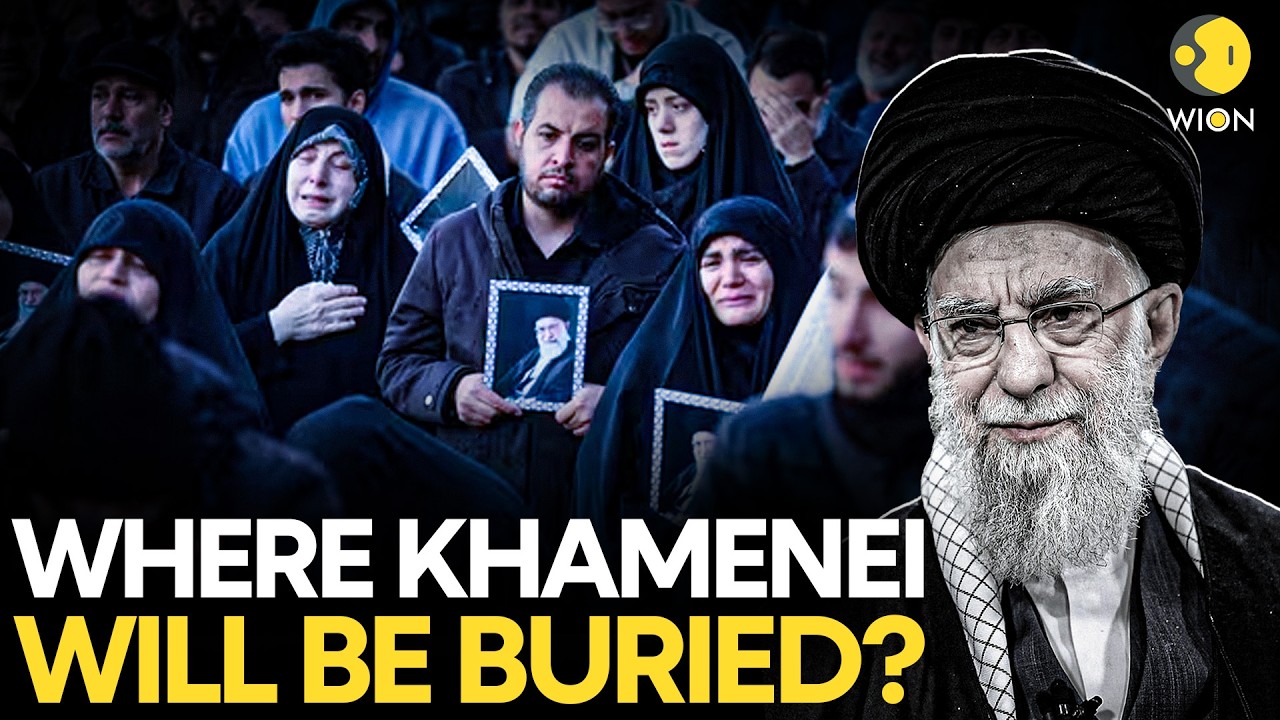
mashhad iranian reports from Iranian news agency Fars, the former Supreme Leader Ali Khamenei is to be buried in Mashhad, Iran's second-largest city, located in the northeastern part of the country. This decision carries immense symbolic weight and is deeply rooted in Khamenei's personal history; he hailed from Mashhad, and his father is also interred there.
The planned burial in Mashhad, following a ceremony in Tehran, transforms the city into a central stage for national mourning and a testament to Khamenei's enduring legacy. Mashhad is not just a major urban center but also a spiritual heartland for Shi'ite Muslims globally, home to the Imam Reza shrine, one of the holiest sites in Islam. Khamenei's burial here will inevitably imbue the city with an even greater sense of sanctity and sorrow in the coming weeks. The convergence of spiritual significance and the stark reality of the recent airport attack paints a complex picture for Mashhad. The city finds itself grappling with the twin narratives of profound religious reverence and the raw impact of military aggression. The decision to inter the Supreme Leader in his ancestral city can be seen as an effort to consolidate national identity and unity during a period of immense uncertainty. To understand the preparations and sentiments surrounding this momentous event, explore
Khamenei's Final Journey: Mashhad Prepares for Burial Amidst Conflict.
Geopolitical Tremors: Reactions, Condolences, and Regional Unrest
The immediate aftermath of the strikes sent ripples across the Middle East and beyond, triggering a cascade of reactions, condolences, and, in some instances, violent protests. The death of a figure as central as Ali Khamenei inevitably provokes a significant geopolitical tremor, reshaping alliances and intensifying existing rivalries.
One of the first significant reactions came from Iraq's top Shiite cleric, Ali Sistani, who offered condolences over Khamenei's death. In a statement from his office, Sistani acknowledged Khamenei’s "senior position and long role in leading the Islamic Republic" as "clear to everyone." Crucially, Sistani framed the attacks as an intentional act by "enemies" to inflict severe harm on Iran, calling on Iranians to maintain unity and prevent "the aggressors" from achieving their aims. This call for unity underscores the potential for internal fragmentation or, conversely, a rallying effect around a common threat. The historical context also plays a role; in June of the previous year, former US President Donald Trump had stated that the United States knew where Khamenei was hiding and could have killed him, highlighting a long-standing threat that has now materialized.
The shockwaves also resonated outside the immediate conflict zone. In the Pakistani port city of Karachi, hundreds of protesters stormed the US consulate on Sunday, leading to violence that resulted in several deaths. These protests, directly attributed to the US and Israeli attacks on Iran that killed Khamenei, illustrate the broader regional discontent and the capacity for such events to ignite anti-Western sentiment. The incident in Karachi serves as a stark reminder that conflicts rooted in one nation can swiftly spill over, mobilizing populations in neighboring countries and challenging regional stability. The profound implications for security protocols for leadership figures globally are also evident; the success of such a precision strike will undoubtedly lead nations to re-evaluate their security infrastructure and intelligence countermeasures, intensifying a silent war of espionage and counter-espionage.
Conclusion
The "Death of a Leader" narrative, dramatically unveiled through the precision of intelligence, marks a watershed moment in Middle Eastern geopolitics. The strikes across Iran, meticulously guided by high-fidelity intelligence, led to the demise of Supreme Leader Ali Khamenei and several key military figures. From the leadership compound in Tehran to the targeted
Mashhad airport iranian reports, these coordinated attacks demonstrate an unprecedented level of strategic planning and execution. As Iran prepares for Khamenei's burial in Mashhad – a city now doubly significant due to its spiritual status and recent attack – the regional repercussions continue to unfold. Calls for unity within Iran contrast with violent protests abroad, painting a complex picture of a region on the precipice. This event underscores the escalating role of intelligence in modern warfare and sets a new precedent for the targeting of high-value political and military figures, promising a future of heightened vigilance and unpredictable shifts in the balance of power.